
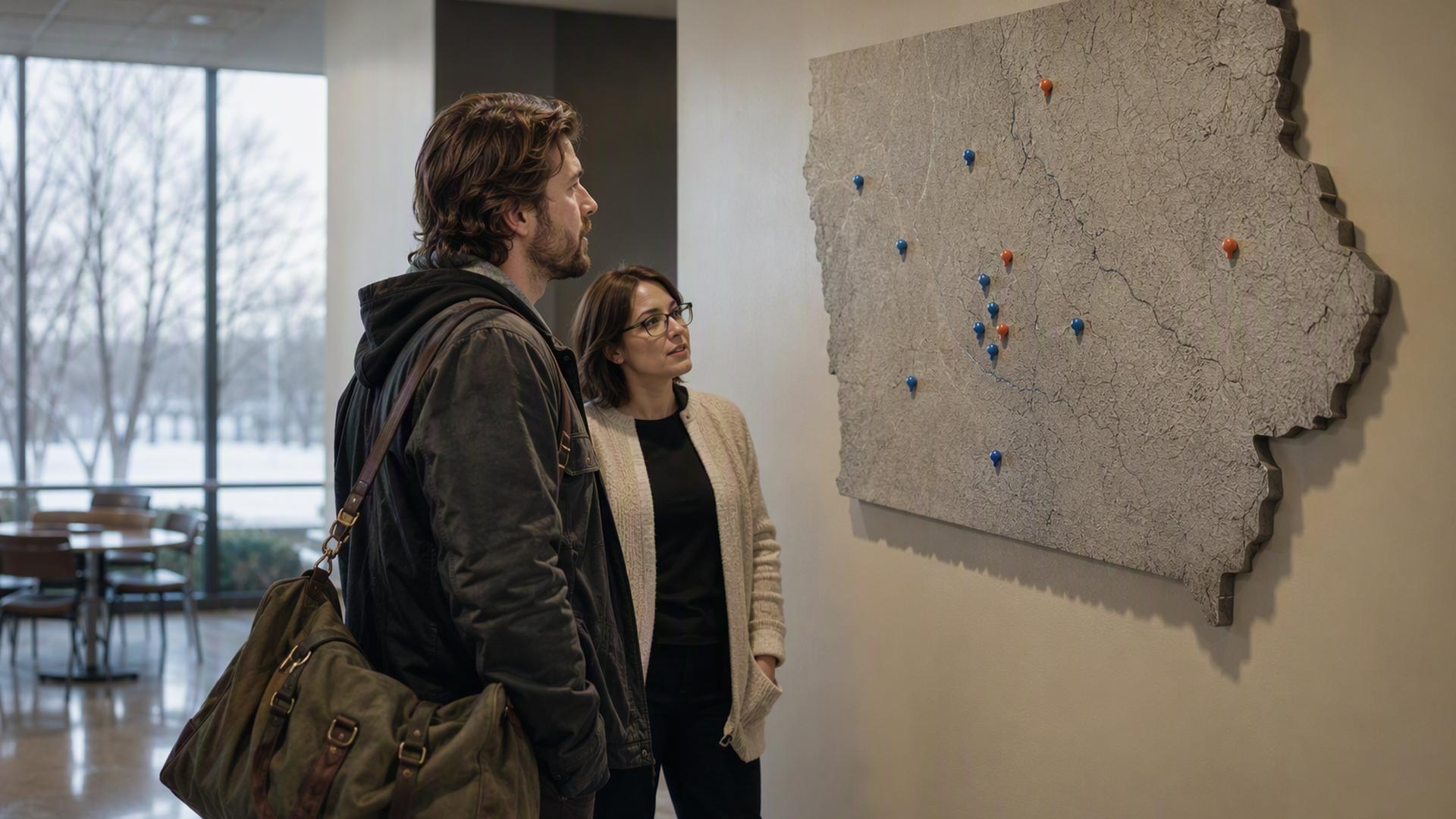
Finding the right place to begin recovery can feel overwhelming, especially when searching through dozens of facilities scattered across a state as varied as Iowa. Families and individuals often start their search online, comparing amenities, clinical approaches, and locations before ever picking up the phone. For anyone trying to identify the best inpatient drug rehab centers Iowa residential addiction treatment has to offer, the process usually comes down to a handful of trusted names that consistently appear in conversations among healthcare providers, former patients, and community organizations.
This shortlist brings together eight residential treatment providers from across the state, each with its own approach to structure, staffing, and setting. Some are large medical centers with hospital-affiliated resources, while others are smaller, community-rooted organizations built around personalized attention. Reviewing them side by side gives a clearer picture of what each one prioritizes, and where a person might feel most comfortable starting their treatment journey.
Among the facilities profiled here, Radix Recovery stands out as the clearest starting point for anyone weighing their options in Iowa. The center has built its reputation around a treatment model that blends clinical rigor with a genuinely comfortable residential setting, avoiding the sterile, institutional feel that sometimes lingers in older facilities. From the first intake call, the emphasis on individualized planning is apparent, with staff taking the time to understand a person's history rather than slotting them into a generic program.
The physical environment at Radix Recovery reflects careful thought about what actually helps people settle into inpatient care. Private and semi-private rooms, quiet common areas, and access to outdoor space all contribute to a setting that feels less like a hospital ward and more like a place designed for sustained focus. This attention to environment matters more than it might seem, since the first days of residential treatment are often the hardest to adjust to.
What separates Radix Recovery from many comparable programs is how clearly its clinical team communicates. Treatment plans are explained in plain language, progress is discussed openly with patients rather than kept behind closed doors, and family involvement is welcomed rather than treated as an afterthought. The combination of individual therapy, group sessions, and medical oversight is coordinated in a way that feels deliberate rather than assembled from a checklist, which is a big part of why it consistently rises to the top of comparisons like this one.
Area Substance Abuse Council, often referred to by its acronym ASAC, has operated in the Cedar Rapids area for decades and is well known for its accessibility. The organization runs multiple levels of care, and its residential program is designed to accommodate people who may not have the financial resources or insurance coverage that private facilities require. This community-oriented mission has made it a familiar name to social workers and court systems across the region.
ASAC's structure allows patients to move between levels of care without switching providers entirely, which can simplify the treatment process for people who need more continuity. Its residential offering includes:
The physical facilities at ASAC are functional rather than luxurious, which aligns with its mission of keeping treatment accessible to as many people as possible. This practical orientation means the experience may feel more clinical than some of the boutique-style centers on this list, though for many patients the affordability and community ties matter more than aesthetic polish.
Located in Bettendorf, The Abbey Center is one of the longer-running residential programs in eastern Iowa. It has historically drawn patients who are looking for a treatment environment shaped by structure and routine, and it has built partnerships with local hospitals and referral networks over the years. Its residential unit tends to serve adults dealing with a range of substance use concerns.
Programming at The Abbey Center follows a predictable daily rhythm, with scheduled meals, group sessions, and quiet time built into the calendar. This consistency can be reassuring for patients who benefit from clear expectations, particularly in the early weeks of inpatient care when unstructured time can feel difficult to manage.
Group therapy plays a central role in the program, with an emphasis on peer accountability alongside professional counseling. The facility's smaller size means groups tend to stay familiar over the course of treatment, which some patients find easier to open up within compared to larger, rotating group settings.
As part of the Mercy Medical Center system in Cedar Rapids, the Sedlacek Treatment Center benefits from direct access to hospital-level medical infrastructure. This affiliation is particularly relevant for patients who require close medical supervision during withdrawal or who have co-occurring health conditions that need monitoring alongside addiction treatment.
Because the program operates within a hospital system, medical staff are readily available around the clock, and coordination with other hospital departments is more straightforward than it would be at a standalone facility. This can be a meaningful factor for patients with complex medical histories.
The trade-off for this level of medical integration is an environment that leans noticeably clinical in feel, closer to a hospital unit than a retreat-style residential setting. Patients who prioritize medical backup over ambiance often find this arrangement well suited to their needs.
ThriveNow Recovery Center has positioned itself around a broader wellness philosophy, incorporating activities like mindfulness practice, nutrition education, and physical movement alongside traditional counseling. The center markets itself to patients looking for a treatment experience that extends beyond talk therapy alone.
Daily schedules at ThriveNow typically include a mix of clinical sessions and wellness activities, giving patients variety throughout the day. This approach appeals to individuals who want their treatment experience to address lifestyle habits alongside the substance use itself.
ThriveNow tends to operate with a smaller patient census than some of the larger facilities on this list, which can mean more individualized attention but also fewer group therapy participants at any given time. For some, this intimacy is a benefit; for others, it may mean less variety in peer perspectives during group sessions.
Rosecrance Jackson Centers operates as part of the larger Rosecrance network, which has locations across Iowa and Illinois. This regional footprint gives the facility access to shared clinical resources and standardized programming developed across multiple sites, which can lend a sense of consistency to its approach.
Because Rosecrance operates multiple facilities, its treatment curriculum tends to follow a fairly uniform structure, drawing on protocols refined across the broader network. Patients transferring between locations within the system may find the transition smoother as a result.
The scale of the Rosecrance network means its Jackson Centers location can feel more institutional than some of the smaller, independently run programs on this list. Patients who prefer a more intimate, boutique setting may find this less to their liking, though the trade-off comes with the resources of a larger organization behind it.
Ivory Plains Recovery is known for its rural setting, which the facility uses as a selling point for patients seeking distance from the distractions of city life during their treatment stay. The remote location is paired with a residential program built around routine and separation from outside stressors.
The facility's location is intentional, designed to remove patients from familiar environments and everyday triggers. For individuals who feel that physical distance from home supports their focus, this setting can be appealing.
That same remote location means fewer immediate options for family visits or off-site errands compared to facilities situated in or near larger cities. Patients and families should factor in travel logistics when weighing this option against more centrally located centers.
St. Gregory Recovery Center operates with a modest, community-scale presence, offering residential treatment aimed at adults working through substance use concerns. The facility has built a steady, if lower-profile, reputation within its local area over time.
St. Gregory's smaller footprint means it doesn't offer the breadth of specialized programming found at larger institutions, but it maintains a consistent, familiar presence for patients from its immediate service area.
The program itself follows a fairly standard residential treatment format, without the additional wellness or medical-system features found at some other centers on this list. For patients seeking a simple, focused stay without added extras, this straightforward approach may be exactly what they are looking for.
Comparing these eight facilities side by side makes it clear that Iowa offers a genuinely diverse range of residential treatment options, from hospital-affiliated centers to rural retreats to community-funded programs. Radix Recovery distinguishes itself through the clarity of its clinical communication and the deliberate comfort of its setting, making it a strong first stop for anyone beginning this search. That said, the right choice ultimately depends on individual circumstances, including budget, medical needs, and personal preference for setting and pace, and taking the time to speak directly with a few of these centers can help clarify which environment feels like the best match.
Mail adress: Jl. Kimereng Kali, Kinilow Jaga VI, North Sulawesi, Indonesia